







Search Results for: CQI Coffee Quality Institute

New Q Grader Certification Rules: Starting in 2023, annual flavor calibration is required, with fees and validity periods adjusted accordingly
Starting January 1, 2023, the Q Grader certification system will undergo significant changes. CQI requires all certified individuals and those currently enrolled in courses to independently complete an annual flavor calibration called Flavoractiv Calibration; otherwise, their certification will become invalid, and the certificate validity period will be shortened from three years to one year. At the same time, the triennial cupping calibration must still be attended as usual. The new requirement does not need an instructor present; individuals only need to purchase designated capsules, follow the instructions, and upload their answers to renew. CQI has also introduced calibration packages for different group sizes, priced from $160 to $585, with lower unit prices for larger groups. This article will provide a detailed interpretation of the new rules and fee changes. [more…]

An Analysis of the SCA and Q Grader Certification Systems: Exam Content and a Practical Guide for International Baristas
Want to break into the coffee industry—do you really need to spend money on certifications? The two major international credentials, SCA and Q Grader, are often discussed. SCA uses a credit-accumulation system covering barista skills, pour-over, roasting, sensory, and green coffee, among other areas, allowing students to choose modules as needed; Q Grader, launched by CQI, focuses on green coffee quality evaluation, requiring candidates to pass twenty tests within six days, with the certificate valid for three years. This article breaks down the course structure, exam content, fees, and target audiences of the two types of certification to help you decide which path better suits your career plans. [more…]

What is a Q-Grader? Is it worth taking the test?
There always is such a group of people who have obtained a code for self-reference due to the particularity of their profession. Even in the seemingly not vast field of coffee, there is also such a profession. After the concept of specialty coffee wa [more…]
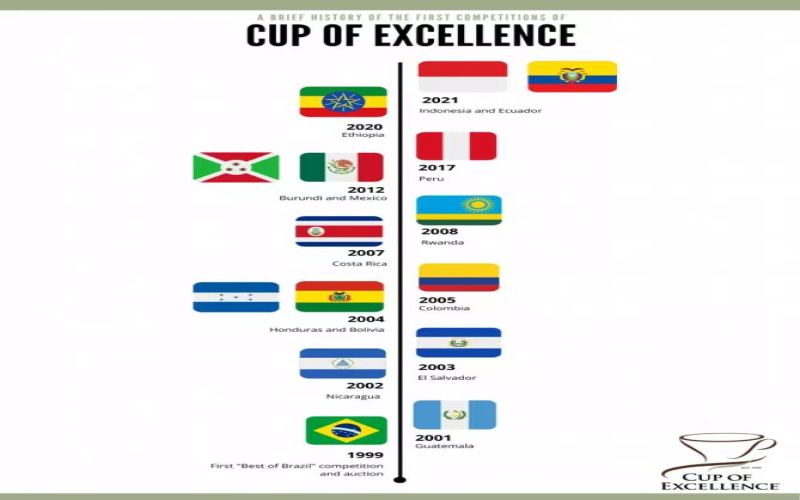
An Analysis of the SCAA and COE Coffee Certification Systems: Differences in Scoring Standards and Their Essential Distinction from SOE
In the world of specialty coffee, the SCAA and COE are two authoritative systems that cannot be overlooked. The former established industry standards and cupping protocols, while the latter selects top-tier green beans through rigorous competitions. How do their scoring logics differ? And why are COE and SOE often confused? This article will trace the development and operational mechanisms of the SCAA, CQI, and COE, explain in detail the differences in cupping score sheets, and use the example of the 22nd-place sun-dried Typica that Front Street Coffee bid for at Ethiopia's first COE competition in 2020 to present the complete story from origin to cup. [more…]
A Comprehensive Guide to Q-Grader Coffee Quality Grader Certification: Exam Content, Costs, and Career Value
In the specialty coffee world, how can the quality of a bean be objectively judged? In the cupping scoring systems of SCA and COE, 85 points is the dividing line between specialty coffee and commercial beans, and the key role who holds the power to assign scores is the Q-Grader. This qualification, developed and certified by CQI, has fewer than 10,000 certified holders worldwide. What assessments must one go through to obtain Q-Grader certification? Is it really worth the time and money? This article will systematically sort out the origins and background of Q-Grader, the eight assessment modules of the Q Program, the difficulty of the exam, and its practical value in career development, helping coffee professionals and enthusiasts make a rational judgment. [more…]
SCAE, SCAA, SCA, and Q-Grader: A Comprehensive Analysis of the Core Differences Between International Coffee Certification Systems
Faced with the bewildering array of coffee certificates on the market, many people who want to systematically study coffee often feel at a loss where to begin. To sort out the differences among these courses and certificates, the key is to trace back to the issuing bodies. At present, the three major authoritative institutions internationally that have established scientific coffee teaching systems and issue certificates are SCAA, SCAE, and CQI. This article will break down the course structures and certification logic of these three institutions one by one, and explain the changes brought about after SCAA and SCAE merged into SCA in 2017, while also introducing Q-Grader, a widely known yet often misunderstood quality assessment qualification, to help coffee enthusiasts find the learning path best suited to them. [more…]

Is It Worth Getting a Barista Certification? A Full Breakdown of the Differences Between SCA Certification and Q-Grader Qualification
Does working in the coffee industry really require obtaining a certification? This is a question that many coffee professionals and enthusiasts have pondered repeatedly. In recent years, China's coffee market has grown rapidly, with all kinds of training institutions springing up endlessly, and huge disparities in qualifications and fees, leading many people to waste their money. This article focuses on two paths—the SCA Barista certification and the Q-Grader coffee quality grader certification—sorting out their level systems, exam rules, fee ranges, and suitable audiences, to help readers judge whether certification fits their own career plans, while also discussing the practical value of certificates and the importance of subsequent self-improvement. [more…]

Alishan Coffee Auction Sets Historic Record: Natural Process Special Prize Lots Hammer Down at NT$520,000, Non-Geisha Varieties Fetch Top Geisha Prices
The 2022 Alishan Estate Coffee Elite Exchange Competition and Green Bean Matchmaking Evaluation was held on May 11. Competing beans were divided into four groups by processing method: washed, natural, honey, and Geisha. Participants had to submit parchment and green beans, which the organizers uniformly roasted, and then 15 CQI-certified Q-Graders conducted sensory evaluations using the SCA cupping form. Only beans scoring 80 or above could participate in the auction. In the auction the next day, the special prize in the natural group, Zouzhuyuan Coffee Beans, started bidding at NT$60,000 and soared all the way to NT$520,000/5kg, won by the Lion Group, setting a new record for Taiwanese coffee bean auctions. Notably, these beans were not of the Geisha variety, yet they fetched a top-tier Geisha price, while the special prize in the Geisha group was only NT$320,000. This article takes you through the ins and outs of this sky-high bidding and analyzes the industrial logic behind the rise of Taiwan's local coffee. [more…]

How Much Is a Barista Certification Really Worth? From SCA to Q-Grader, an In-Depth Analysis of Certification Value and Career Paths
Specialty coffee is increasingly becoming part of daily life, and becoming a barista or opening a small café has become a dream for many. In an era when everyone can do pour-over, getting certified seems to have become the preferred path to stand out. But is a barista certificate really worth it? Behind the high training fees, can the course content truly improve oneself? This article examines the actual usefulness of certification, the necessity of certification before applying for jobs or starting a business, the internationally authoritative certification systems (SCA, Q-Grader), and the reform of domestic vocational qualifications, sorting through the value and applicable scenarios of barista certificates one by one. Whether you are a newcomer just entering the industry or an aspiring owner preparing to open a shop, you can find rational reference here. At the end of the article, Front Street Coffee's contact information is also included for further discussion. [more…]
How Does the SCAA Define Specialty Coffee? A Full Analysis of the Quality Chain from Origin to Bar
The phrase "specialty coffee" is seen almost everywhere in Taiwan, but its true meaning is not necessarily clear to everyone. The definition given by the Specialty Coffee Association of America (SCAA) does not focus solely on green bean quality or brewing methods, but instead looks at the entire industry chain—from farmers, green bean traders, roasters, and baristas all the way to consumers, every link plays an indispensable role. This article will comprehensively sort out the SCAA's official interpretation of specialty coffee, guiding you to understand every person who quietly contributes along this quality chain, and also to rethink the true value behind a good cup of coffee. [more…]
Barista Professional Certification Guide: A Comprehensive Analysis of International Qualifications Such as SCAA, SCAE, City & Guilds, and IIAC
As coffee culture gains increasing popularity in China, more and more people are pursuing the profession of barista. A barista is not only a maker of beverages, but also a practitioner of life aesthetics and craftsmanship. However, faced with a dazzling array of international certification systems, many practitioners often feel confused: which authoritative coffee qualification certificates are actually worth obtaining? This article systematically reviews several major international coffee certification bodies currently in the mainstream—including the American SCAA, the European SCAE, the British City & Guilds, and the Italian IIAC—along with their corresponding courses and qualification requirements, to help baristas clarify their career advancement paths and find a certification direction that suits them. [more…]
2020 TOH Natural Group Champion: Ethiopian Aricha Lalo Coffee Bean Flavor and Origin Analysis
At the 2020 Taste of Harvest (TOH) Africa coffee competition, a natural coffee from the Armelelalu processing plant in the Konga region of Yirgacheffe, Ethiopia, scored 90.70 points to win the natural group championship and the overall championship. This bean uses heirloom varieties, is grown at an altitude of 2,200 meters, and undergoes anaerobic slow-dry natural processing, presenting rose floral notes, a fresh fruit-champagne quality, intense tropical fruit aromas, and a candied sweetness, with a round and smooth mouthfeel and a long-lasting sweet aftertaste. This article will guide you through the background of the TOH competition, detailed information about this champion bean, and why the Yirgacheffe region is hailed as synonymous with delicious coffee. [more…]
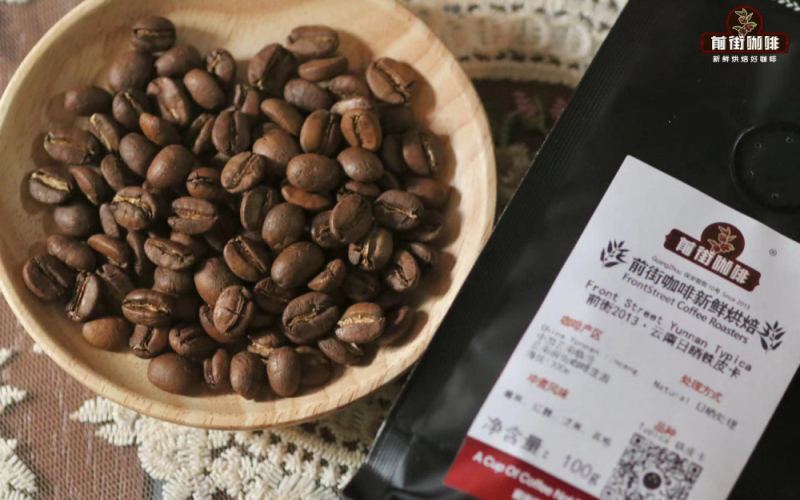
Yunnan Small-Bean Coffee: A Complete Guide to Variety Tracing, Grading Systems, and Pour-Over Flavor Analysis
Yunnan coffee began with the first coffee tree in Zhukula in 1904, and has gone through the era of Typica and Bourbon, the devastation of leaf rust, and the rise of Catimor, and is now moving toward a specialty path. This article will outline the planting history, variety changes, and grading system of Yunnan coffee, and take a deep dive into Front Street Coffee's hands-on practice of growing Typica in Lincang, as well as the pour-over parameters and flavor performance of Yunnan Arabica coffee, giving you a comprehensive understanding of this highland-producing region's past and present. [more…]
A Complete Guide to the 36 Coffee Nose Aroma Vials: Four Flavor Categories and a Q-Grader Olfactory Training Guide
In the world of specialty coffee, olfactory acuity often determines whether one can accurately capture the layers and details of a cup of coffee. Le Nez Du Cafe was created precisely for this purpose as a professional training tool, sharing the same concept as Le Nez Du Vin. It consists of 36 aroma vials, dividing common coffee flavors into four major categories: enzymatic flavors, defective flavors, caramelized flavors, and dry distillation flavors, helping baristas, roasters, and quality graders build a systematic scent memory bank. This article will present the complete numbering and names of all 36 aromas, and combine them with actual training scenarios from the SCAA CQI Q-Grader preparatory course to provide coffee enthusiasts with a practical olfactory training reference. Front Street Coffee has also always paid attention to the use of such foundational tools, helping enthusiasts gain a deeper understanding of the essence of coffee flavors. [more…]
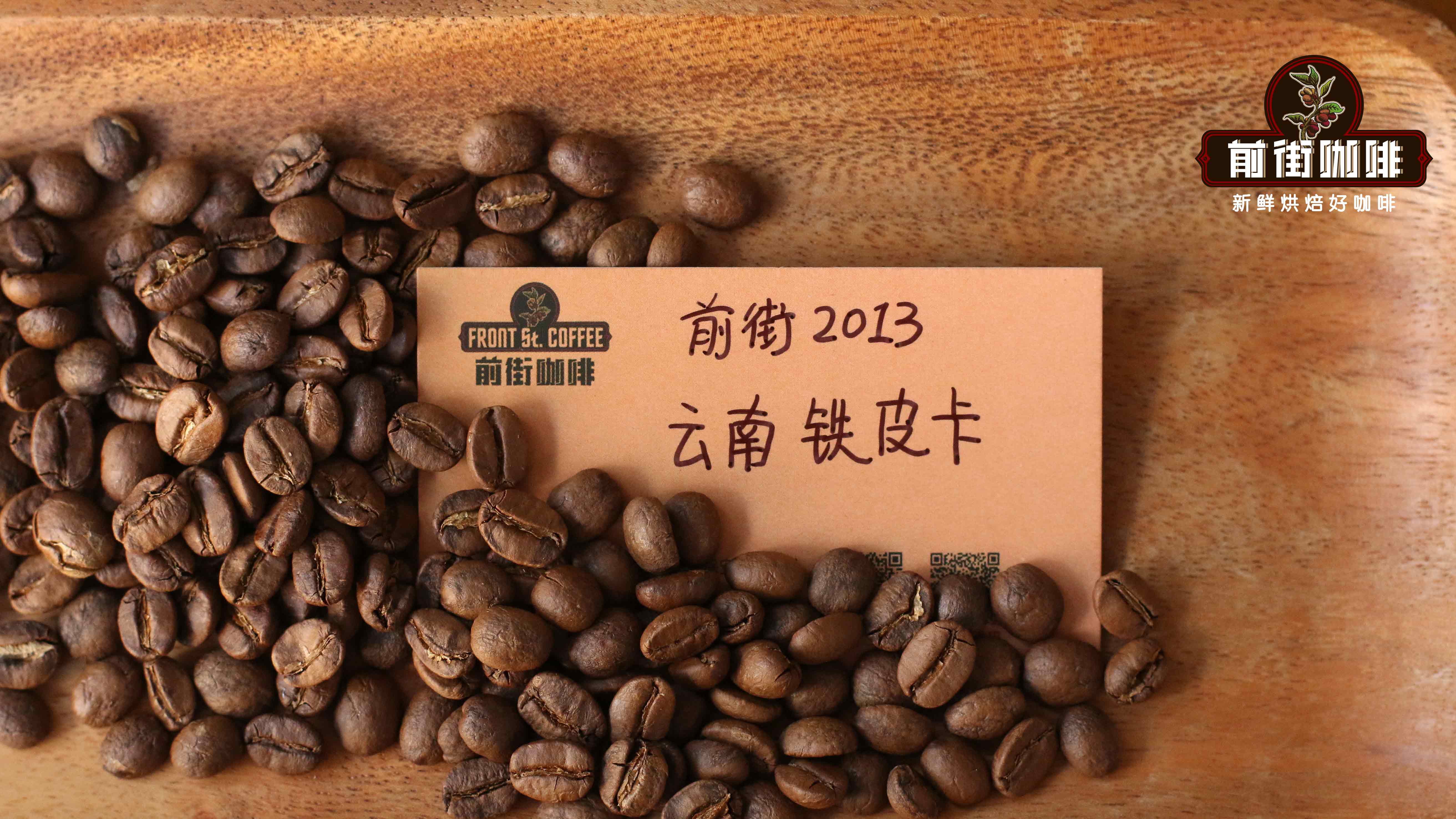
How Are Yunnan Green Coffee Beans Graded? Pour-Over Brewing Ratios and Parameters for Yunnan Arabica Coffee
Yunnan coffee began with the first coffee tree in Zhukula in 1904, and has since gone through a succession of varieties from Typica and Bourbon to Catimor, as well as a transition from instant coffee raw material to specialty coffee. This article reviews the cultivation history of Yunnan coffee, the characteristics of the small-bean varieties, and the common green bean grading standards currently in use, including screen size, color, cleanliness, odor, and moisture content. It also introduces Front Street Coffee's experience growing Typica in Lincang, Yunnan, and the "Front Street 2013" sun-dried beans, and provides the pour-over parameters for Front Street Coffee's Yunnan small-bean coffee: V60 dripper, 15g grounds, 90°C water temperature, 1:15 coffee-to-water ratio, and a three-stage pouring scheme, to help coffee enthusiasts understand the flavor of the Yunnan producing region more systematically. [more…]
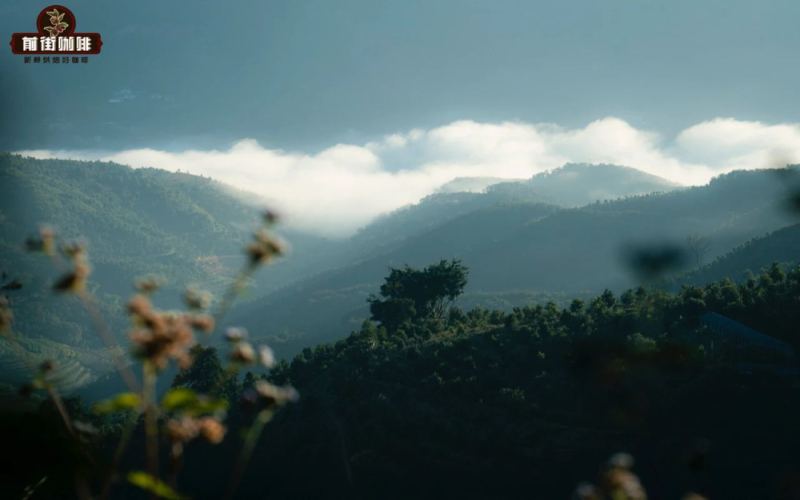
The Flavor Truth of Yunnan Washed Catimor Arabica Coffee and an Analysis of Its Path to Specialty Status
Yunnan coffee is gaining increasing recognition within China, yet most enthusiasts have limited understanding of its varietal composition and current specialty status. Front Street Coffee currently offers two Yunnan beans: the Typica variety is classified under the specialty series, while the Catimor variety is conventionally called Yunnan small-batch coffee in the market. Both are medium-roasted to present a balanced profile of nuts, brown sugar, and soft fruit acidity. This article will trace the varietal origins of Yunnan Catimor, its shifting fortunes relative to Typica, analyze the impact of high-altitude cultivation and post-processing on flavor, and share Front Street Coffee's five-year cultivation practice from seed to cupping. At the same time, we will verify rumors one by one regarding Yunnan green bean competition scores, CQI records, and other claims, exploring the real path of Yunnan coffee toward specialty status. [more…]
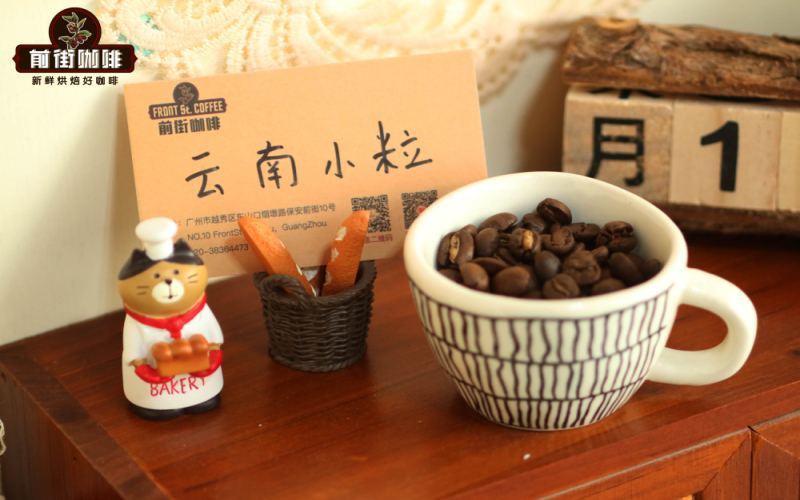
A Comprehensive Interpretation of the Quality Characteristics and Grading Standards of Yunnan Coffee Beans
As the core production region for China's domestic coffee, Yunnan's coffee bean quality and grading system have always attracted much attention. From the perspective of Front Street Coffee, this article systematically reviews the history of coffee cultivation in Yunnan, the current state of varieties, and the existing grading standards, while exploring in depth the opportunities and challenges Yunnan coffee faces on its path toward specialty status. At the same time, drawing on its own planting experience in Lincang, Yunnan, Front Street recommends representative washed and natural Yunnan arabica coffees, offering coffee lovers a reference for understanding the regional taste of Yunnan. [more…]
Yunnan Arabica Coffee Grading Standards and the Path to Specialty: A Terroir Flavor Analysis from Catimor to Front Street 2013
Yunnan coffee, as the representative of China's domestic coffee, has attracted much attention in recent years, but does it really count as specialty coffee? From the perspective of Front Street, this article sorts out the development of Yunnan coffee from its introduction in 1904 to the present, analyzes the impact of the Catimor variety on flavor, explains in detail the five-level standards by which Yunnan coffee is graded according to screen size, color, cleanliness, odor, and moisture content, and introduces the new grading system launched by YCE in 2019. At the same time, Front Street recommends washed Yunnan small-bean coffee and a sun-dried bean named after the brand, "Front Street 2013," along with suggested pour-over parameters, to help you experience the neutral flavor profile of Yunnan coffee—both acidity and a rich bitterness. [more…]
The Grade Classification and Specialty Positioning of Yunnan Small-Bean Coffee: From Historical Origins to Front Street Coffee Washed Bean Recommendations
Yunnan small-bean coffee is a topic that domestic coffee enthusiasts cannot avoid, but does it actually count as specialty coffee? Front Street Coffee starts from the cultivation history of Yunnan coffee, sorting out the complete thread from the first coffee tree introduced by missionaries to the entry of international brands such as Nestlé and Starbucks for purchasing. At present, Yunnan's cultivation is dominated by Catimor, which carries Robusta genes, and there is a gap in flavor compared with pure Arabica, but specialty-grade beans do exist, only in limited proportions. The article also introduces Yunnan coffee's five-level standard divided by screen size, color, clarity, odor, and moisture content, as well as the new grading system promoted by the YCE trading center. Finally, Front Street Coffee recommends washed Yunnan small-bean everyday drinking coffee and the sun-dried bean "Front Street 2013" named after the brand, along with suggested pour-over parameters. [more…]
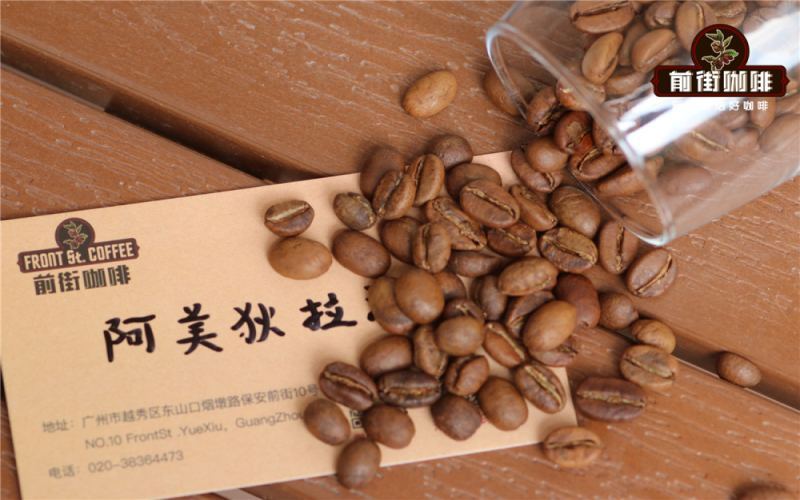
Ethiopia TOH Double Champion Armeria Lalo: Full Analysis of Anaerobic Slow Drying Processing Method and Flavor
At the Amederaro processing station in Ethiopia, at an altitude of 2,200 meters, a coffee bean named Amederaro was born, one that went on to win both the national and African regional finals of the 2019/20 TOH competition. This bean, brought to you by Front Street Coffee, undergoes anaerobic slow drying; after being harvested as fully ripe cherries and carefully sorted, it is slowly fermented in an anaerobic environment, creating layered flavors of passion fruit, honey, champagne, and white grape, with abundant juiciness and a balanced fermented character. This article will provide a comprehensive introduction to this coffee—both powerful and refined—from the perspectives of its origin background, processing method, flavor profile, and the meaning of the TOH competition. [more…]